If you've typed "find me a therapist" into a search bar at midnight, you're not alone. Deciding to talk to someone is often the hardest step. The next one, working out who to talk to, shouldn't be. This guide walks you through the options for therapy in Malta, what the different titles mean, and how to find someone who's the right fit for you.
Psychotherapist, psychologist or counsellor: what's the difference in Malta?
In Malta, psychotherapy, psychology and counselling are separate regulated professions, each with its own board and its own warrant. All three can help with emotional difficulties, but their training and focus differ.
- Psychotherapists complete several years of specialist training in a particular approach, such as Gestalt, family and systemic, or cognitive behavioural therapy, including many hours of supervised clinical practice and their own personal therapy. Psychotherapy is well suited to exploring patterns, relationships, past experiences and the feelings that are hard to put into words.
- Psychologists are trained in psychology and often work with psychological assessment and testing, for example for learning difficulties or neurodevelopmental conditions, as well as therapy.
- Counsellors typically offer shorter-term, focused support around a specific life difficulty.
Whoever you choose, it's reasonable to ask about their qualifications and whether they hold a warrant to practise in Malta. A good practitioner will be glad you asked.
If you're searching for a "psychologist in Malta" because you want someone to talk to about anxiety, low mood, relationships or stress, a warranted psychotherapist may be exactly who you're looking for. If you need a formal assessment, ask when you call and we'll point you in the right direction.
Signs it might be time to talk to someone
You don't need to be in crisis to start therapy. Many people come because something feels heavier than it should, or because the same pattern keeps repeating. You might notice:
- Anxiety, worry or stress that doesn't settle
- Low mood, tiredness or a sense of going through the motions
- Relationship difficulties, or the same conflict coming back again and again
- Grief, loss or a big life change you're struggling to adjust to
- Drinking, eating or scrolling more than you'd like to
- Questions about identity, sexuality or where you belong
How to choose the right therapist for you
Research consistently shows that the relationship between you and your therapist is one of the biggest factors in whether therapy helps. So alongside qualifications, think about fit:
- Approach. Gestalt therapy is present-focused and relational. Family and couple therapy looks at the patterns between people. CBT offers practical tools for changing unhelpful thoughts and behaviours. Many therapists draw on more than one.
- Who they work with. Some specialise in adults, others in children and adolescents, couples or families.
- Practicalities. Location, opening hours, and whether sessions are in person, online, or both.
- How you feel after the first session. You should feel heard and respected. If it doesn't feel right, it's fine to try someone else.
Looking for a male or female therapist?
It's completely normal to have a preference. Some people find it easier to open up to a woman, others to a man, and that preference can change depending on what you want to work on. At Demajo Medical you can choose:
- Jackie Drury, Registered Gestalt Psychotherapist, working with adults, young people, couples and families, including adolescents on the spectrum. Her areas include addictions, anxiety and trauma, emotional regulation, CBT, mindfulness, and loss and bereavement.
- Abigail Cortis, warranted Gestalt Psychotherapist and Family & Couple Therapist, also trained as a Mindfulness Trainer. Abigail supports children, adolescents, adults, couples and families with stress and anxiety, self-development, loss and grief, and relationship issues.
- Michael Andrew Said, Gestalt Psychotherapist, working with adults on anxiety, burnout, low mood, relationships, identity and sexuality, addiction patterns and life transitions. Michael also offers sessions online.
You can read more about each of them on our practitioners page.
Finding a gay or LGBTQI+ affirming therapist in Malta
If you're LGBTQI+, it matters that you can speak freely without having to explain the basics or brace yourself for judgement. An affirming therapist understands the specific pressures that can come with coming out, family expectations, internalised shame, relationships and identity, and treats your experience as valid from the start.
All of our psychotherapists welcome LGBTQI+ clients. Michael's practice is explicitly LGBTQI+ affirming, and many clients looking for a gay-friendly or queer-affirming therapist in Malta choose to work with him.
Therapy in the north of Malta
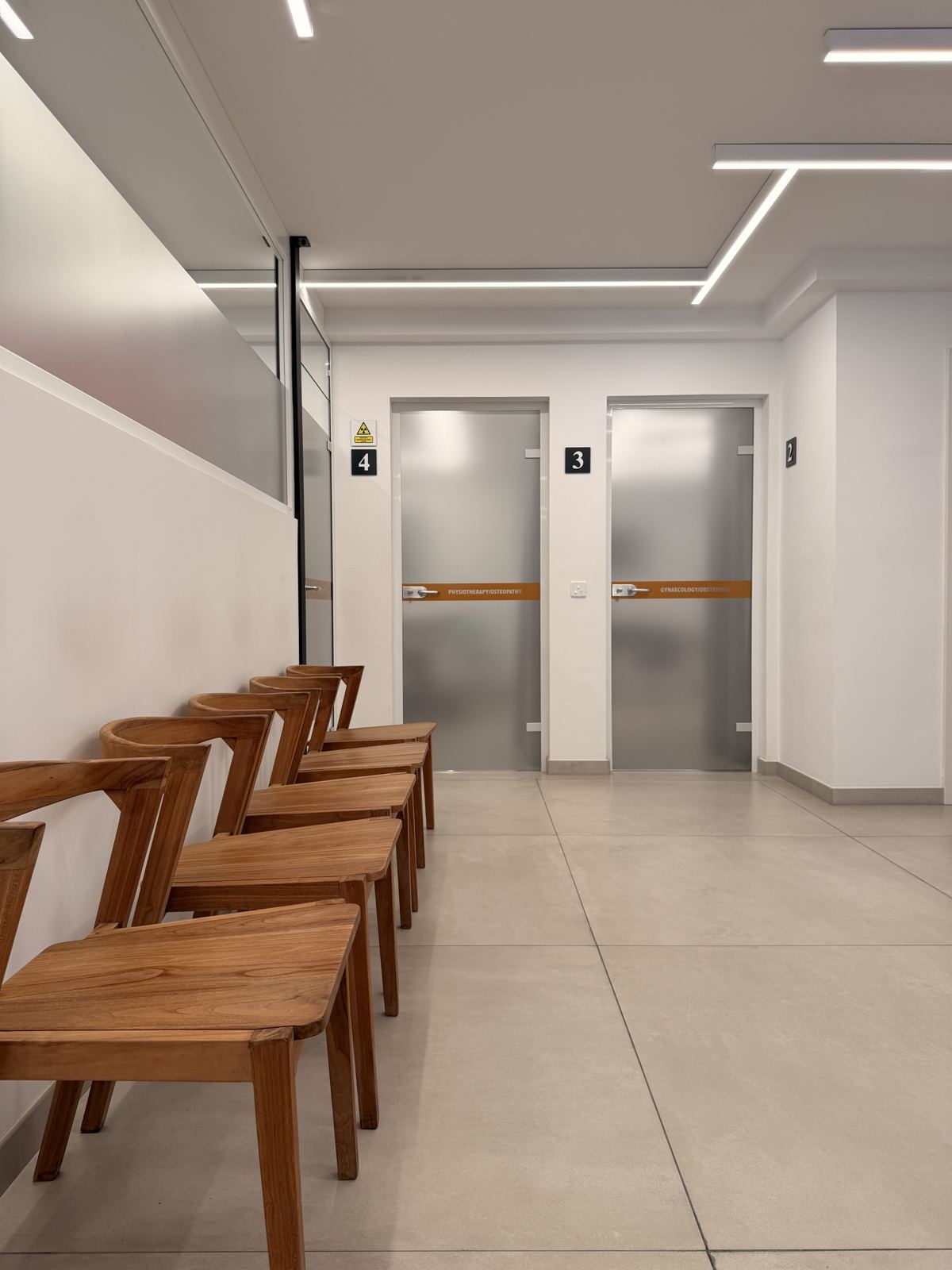
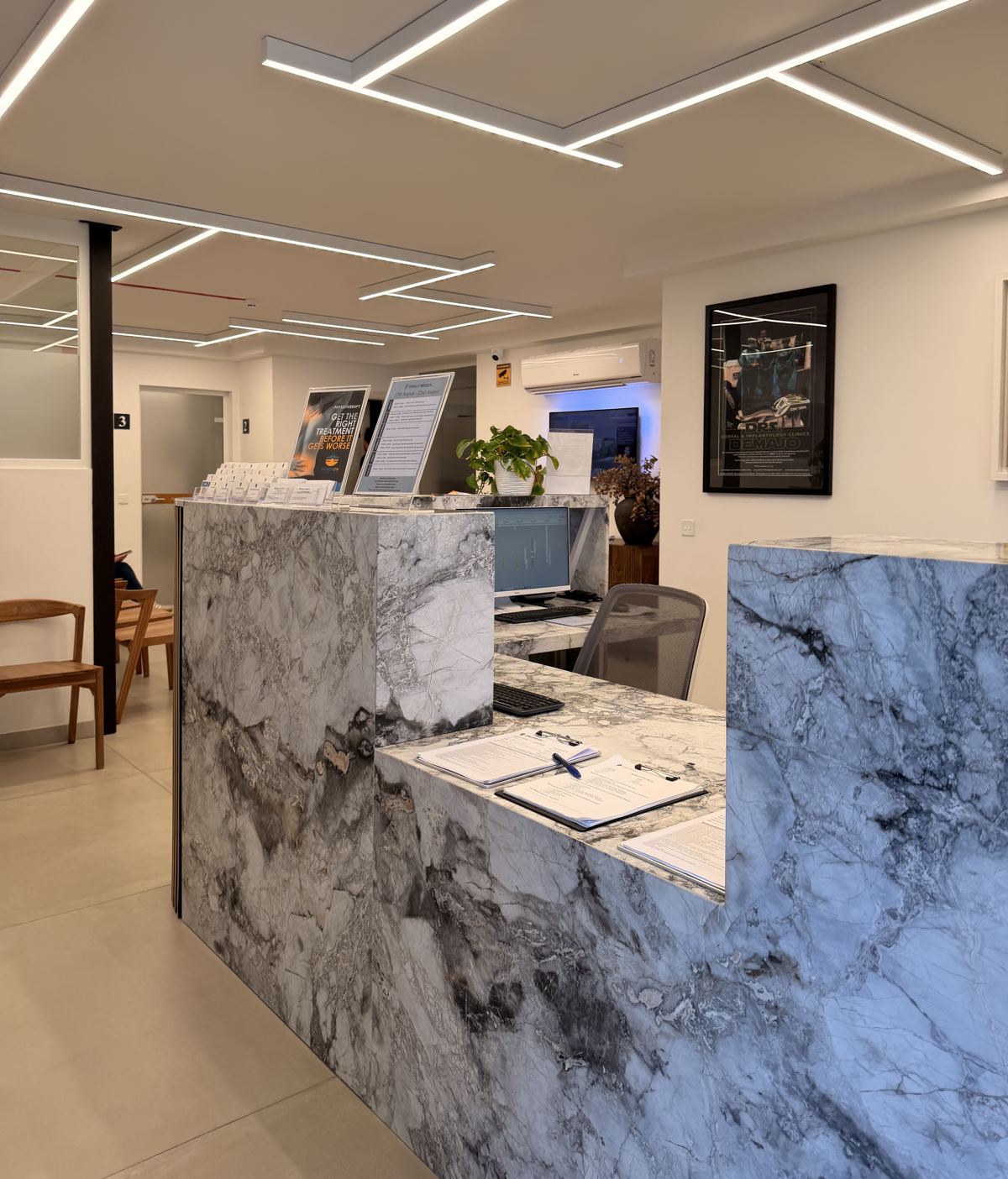
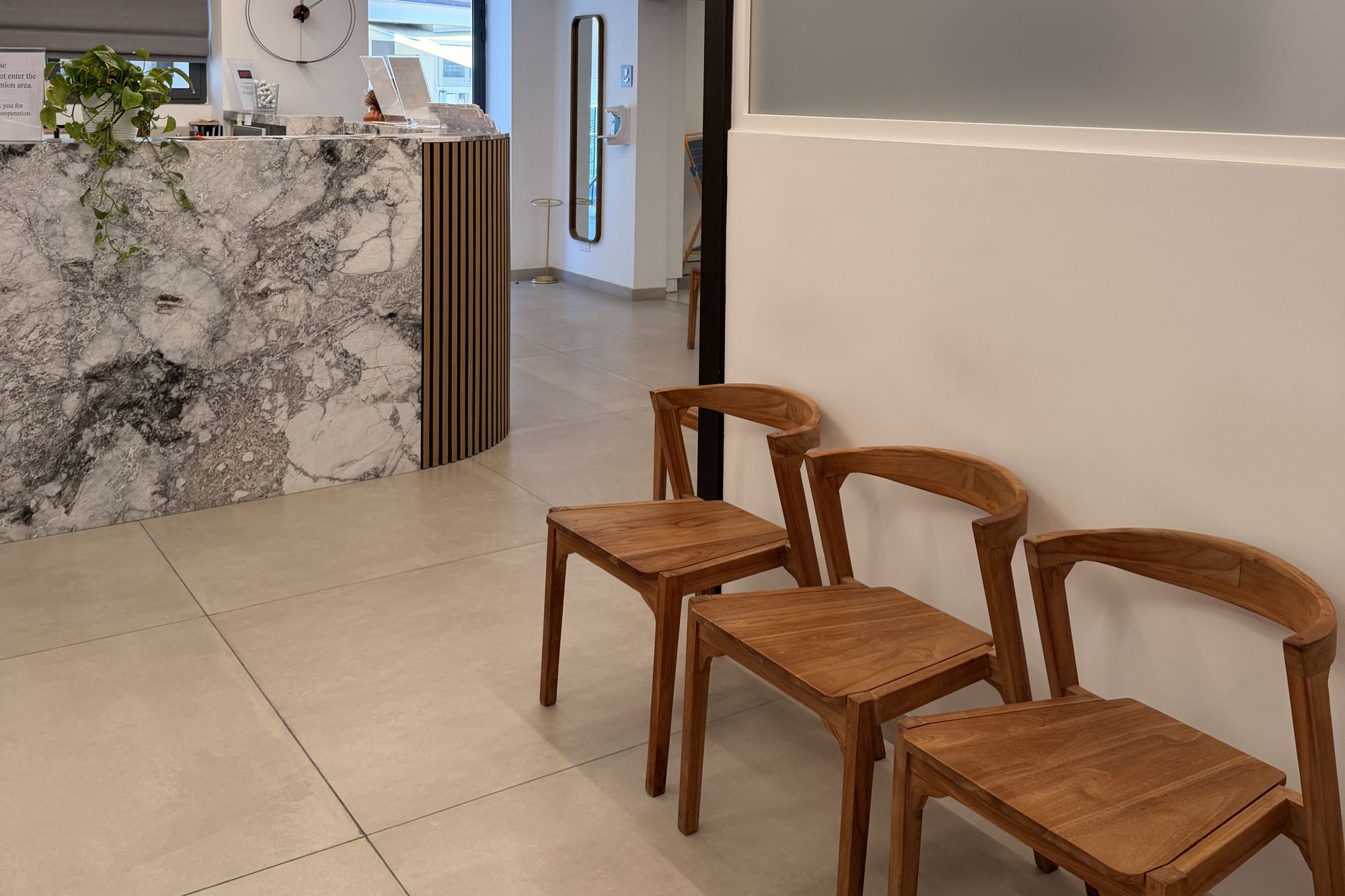
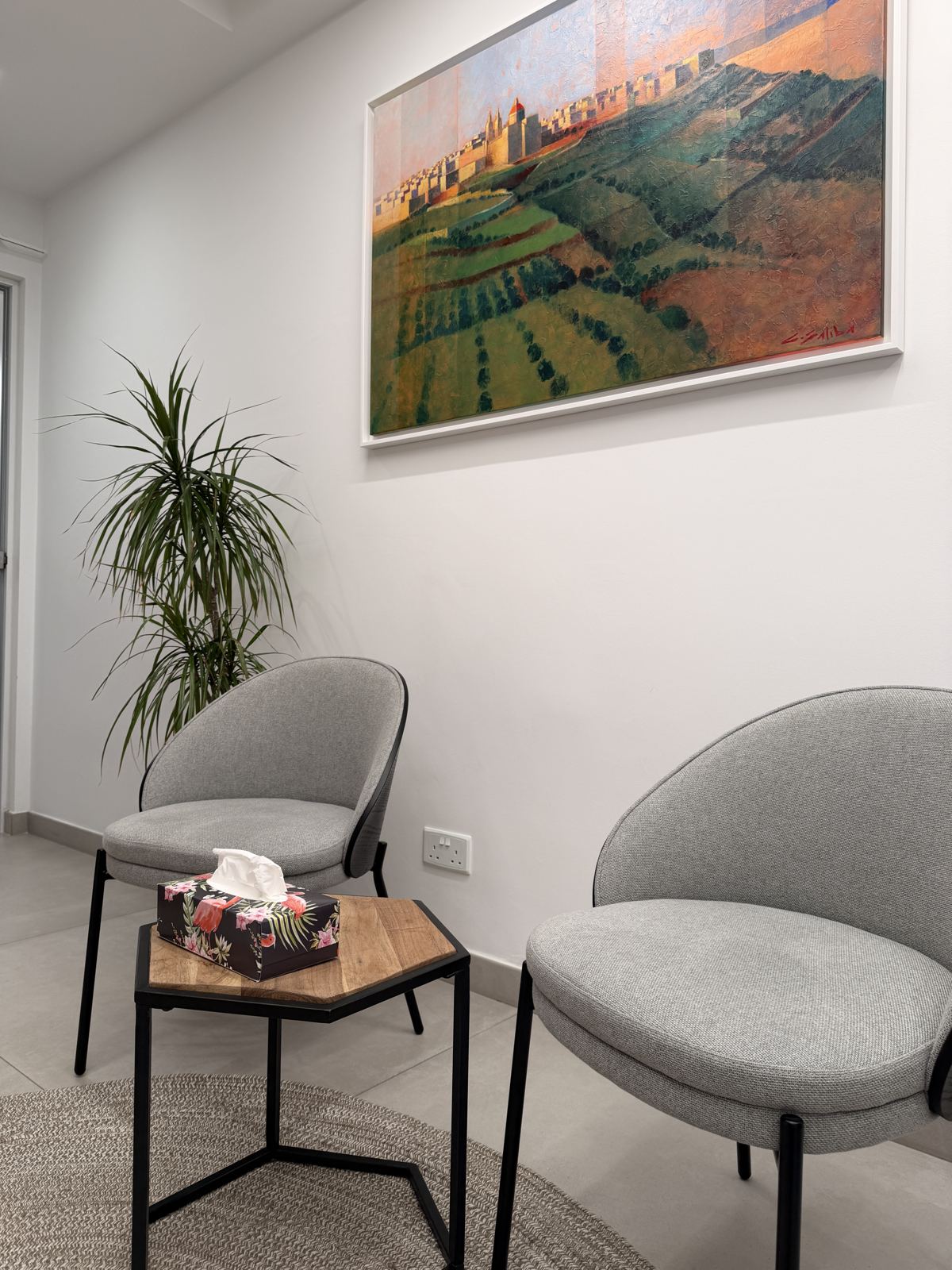
For many people in Mellieħa, St Paul's Bay, Buġibba, Qawra, Xemxija and Mġarr, finding a therapist nearby means one less barrier to actually going. Demajo Medical is at Towns End, Triq il-Fortizza, Mellieħa, next door to Drs Demajo Dental Clinics, and is also convenient if you commute to and from Gozo via Ċirkewwa. Our therapy rooms are quiet and private, away from the busier parts of the clinic.
What happens in the first session?
The first session is mostly about getting to know each other. Your therapist will ask what's brought you, what you'd like to be different, and a little about your history. You don't need to arrive with everything figured out. By the end, you should have a clearer sense of how therapy could help, and whether this is the right person to work with. Sessions usually last around 50 minutes.
Book a session with a psychotherapist in Mellieħa
You can book online, call reception on 2123 8449, or send us a message if you'd like help choosing the right therapist. Find out more about psychotherapy at Demajo Medical.
Frequently asked questions
Do I need a referral to see a therapist in Malta?
No. You can book a private psychotherapy session directly, without a GP referral.
Is therapy confidential?
Yes. What you share in therapy is confidential. Your therapist will explain the rare exceptions, such as a serious risk to your safety or someone else's, in your first session.
Can I have therapy online?
Some of our therapists offer online sessions. Michael Andrew Said works both in person in Mellieħa and online. Ask reception about availability.
How many sessions will I need?
It depends on what you'd like to work on. Some people come for a handful of sessions around a specific issue; others prefer longer-term work. You and your therapist will review this together.
Do you see children, teenagers, couples and families?
Yes. Abigail Cortis and Jackie Drury work with children, adolescents, couples and families as well as adults.